
Don’t Let a Small Leak Become a Major Loss: Protect Your Home from Water Damage
When people think about major insurance claims, they often picture tornadoes, fires, or theft. However, one of the most common—and most expensive—causes of homeowner insurance claims is water damage caused by everyday household appliances.
A slow leak or sudden equipment failure can release hundreds or even thousands of gallons of water into your home before anyone notices. The resulting damage can affect flooring, drywall, cabinets, furniture, electrical systems, and even create conditions for mold growth. Fortunately, many of these losses are preventable.
Common Sources of Household Water Damage
Air Conditioners
Central air conditioning systems produce condensation that normally drains safely away. When the condensate drain becomes clogged or the drain pan cracks, water can overflow into ceilings, walls, or flooring. Regular maintenance and annual inspections help ensure drains remain clear and functioning properly.
Water Heaters
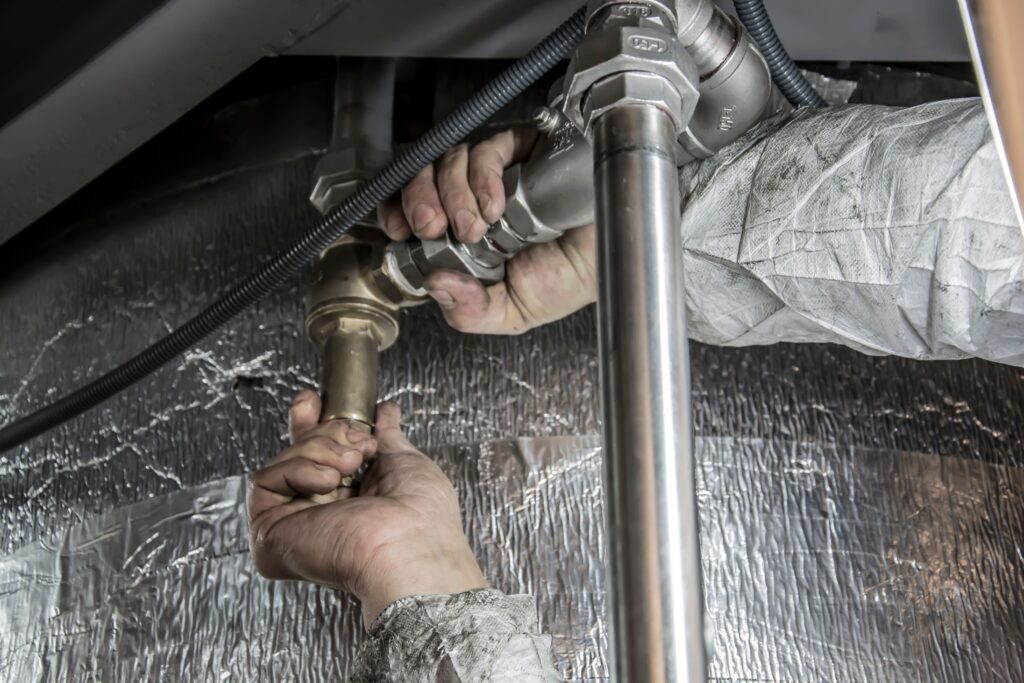
Water heaters are one of the leading causes of significant water losses. Corrosion, aging tanks, failed pressure relief valves, or leaking supply lines can release large amounts of water into your home. Most water heaters have a lifespan of 8 to 12 years, making routine inspection and timely replacement important.
Faucets and Plumbing Fixtures
A dripping faucet may seem like a minor inconvenience, but worn seals, loose fittings, or damaged supply lines can suddenly fail and cause extensive water damage. Inspect visible plumbing connections periodically and repair leaks promptly before they worsen.
Toilets
Toilets can leak from deteriorated wax rings, cracked tanks, faulty fill valves, or failed supply hoses. Some toilet leaks are slow and hidden, allowing damage to subfloors and surrounding structures before they become visible.
Clothes Washers
Washing machine supply hoses are under constant water pressure and can burst without warning. Rubber hoses become brittle with age and should be replaced regularly. Many plumbing professionals recommend braided stainless-steel supply hoses because they are significantly more durable.
Dishwashers
Dishwashers can leak due to worn door seals, clogged drains, damaged hoses, or loose plumbing connections. Since many dishwashers operate while homeowners are asleep or away from home, a leak may continue for hours before it is discovered.
Preventing Costly Water Damage
The good news is that many water losses can be prevented through routine maintenance and modern technology.
Some simple preventive measures include:
- Inspect appliances and plumbing connections at least twice each year.
- Replace aging water heaters before they fail.
- Upgrade older rubber washing machine hoses to braided stainless-steel hoses.
- Keep air conditioner condensate drains clean and unobstructed.
- Repair even small leaks immediately.
- Know where your home’s main water shutoff valve is located.
- Consider installing an automatic water shutoff system for added protection.
Early Detection Makes All the Difference
One of the smartest investments a homeowner can make is installing water detection sensors in areas where leaks are most likely to occur.
SimpliSafe Water Sensors are designed to alert you as soon as they detect water where it shouldn’t be. Placing sensors near your:
- Air conditioning unit
- Water heater
- Toilets
- Bathroom and kitchen sinks
- Clothes washer
- Dishwasher
can provide an early warning before a small leak turns into a major insurance claim. Many homeowners receive alerts through the SimpliSafe mobile app, allowing them to respond quickly—even when they’re away from home.
Early detection can mean the difference between drying up a small puddle and replacing flooring, cabinetry, drywall, and personal belongings.
Insurance Can Help—But Prevention Is Better
Most homeowners insurance policies provide coverage for sudden and accidental water damage, but they generally do not cover damage resulting from long-term neglect, deferred maintenance, or gradual leaks. Preventive maintenance not only protects your home but may also help avoid costly repairs, insurance deductibles, and the inconvenience of restoring your property after a loss.
Protecting your home starts with awareness and preparation. By maintaining your appliances, inspecting plumbing regularly, and installing water detection devices, you can greatly reduce the likelihood of experiencing a costly water loss.
If you’d like to learn more about protecting your home or discuss additional ways to reduce your exposure to water damage, contact George Barzizza. George can review your current insurance coverage, recommend practical loss-prevention strategies, and help you identify affordable solutions that protect both your home and your peace of mind.


